

Need information on a product's features, an installation, a quote or simply to make an appointment.
What is structured water?
What does it represent?
Water is much more than just a liquid: it's essential to life, but its properties go far beyond what we might imagine. Among the concepts that are attracting growing interest, structured water occupies a special place.
The term refers to water with a different molecular organization, but what exactly is it? Although the concept of structured water is still being debated, it intrigues many fields, from science to agriculture.
In this article, we'll explore what structured water really is, the scientific basis behind the term and the associated concepts. Approaching the issue without speculation, we'll focus on the facts and research surrounding this phenomenon, to better understand the true implications of structured water.

The properties of water
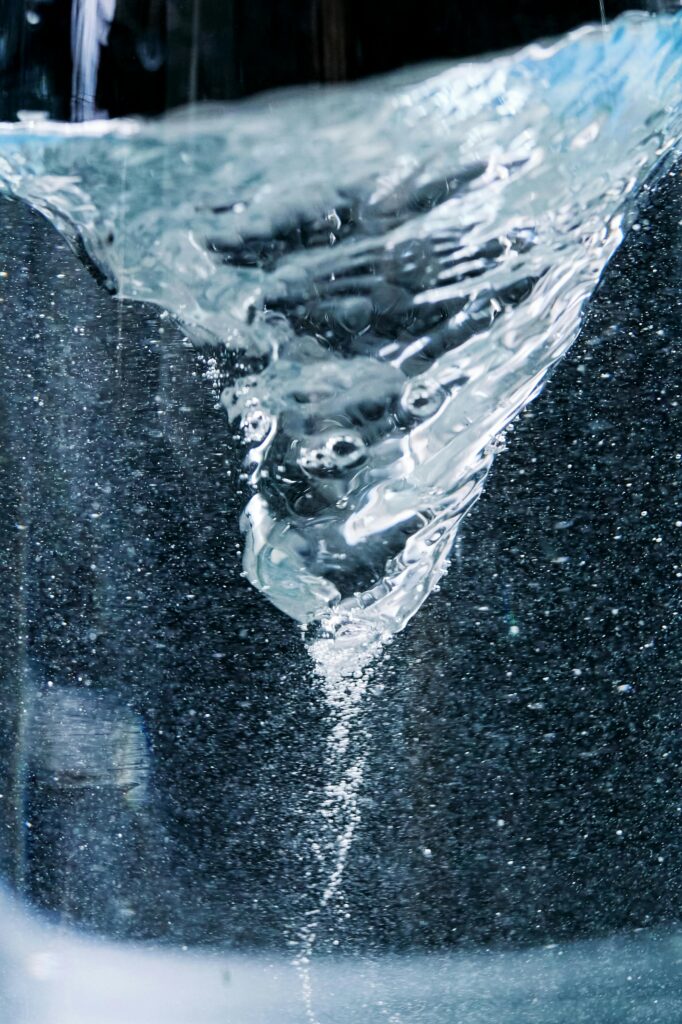
Water is a liquid with unique properties that set it apart from other substances, making it a fascinating subject of study, especially when it comes to structured water.
Structured water is sometimes described in innovative approaches as having a distinctive molecular structure. While this concept is not yet fully recognized by conventional science, it is attracting growing interest in a number of application areas.
Water's internal cohesion, largely due to hydrogen bonds, plays a central role in this idea of structuring. Indeed, this cohesion enables structured water to form temporary networks of molecules that can potentially affect its organization on a microscopic scale.
A characteristic often mentioned in structured water research is surface tension. This property influences water's ability to wet surfaces or penetrate certain materials, which can play a role in contexts such as irrigation, cleaning or nutrient transport.
Some experimental observations suggest that structuring methods, such as vortices, may vary the surface tension of water. Although these effects have yet to be fully validated scientifically, they are being investigated in several fields of application, notably in agriculture and the environment.
Structured water: the emerging concept
The term "structured water" refers to the idea that water might organize its molecules in a specific way, distinct from the "classical" water we know.
According to some theories, this molecular organization could influence the physical and chemical properties of water, leading to a better understanding of its role in many natural processes.
Promises and controversies
Some researchers and practitioners are exploring the idea that structured water might carry more energy or interact differently with biological tissues. Although still under study, these avenues open up interesting prospects in the field of water quality.
They argue that methods such as vortices or hexagonal water structure could potentially improve its quality, making it more beneficial for domestic use or agriculture.
To date, research into structured water remains an exploratory field. Despite this, several approaches to water treatment based on the idea of molecular structuring have emerged.
Water structuring techniques
Various technologies have now been developed to promote a particular organization of water, notably through the action of vortexes, magnetic fields or informed materials.
It is therefore essential to examine the available research with a critical eye and avoid unverified generalizations. What is certain is that structured water remains an area where science and practical experience continue to intersect, sparking debate and future discoveries.
The potential impact ofstructured water on the environment
One of the arguments often put forward by ambassadors of structured water is that it could have a positive impact on the environment, particularly in the fields of agriculture and water treatment.

Promises for agriculture
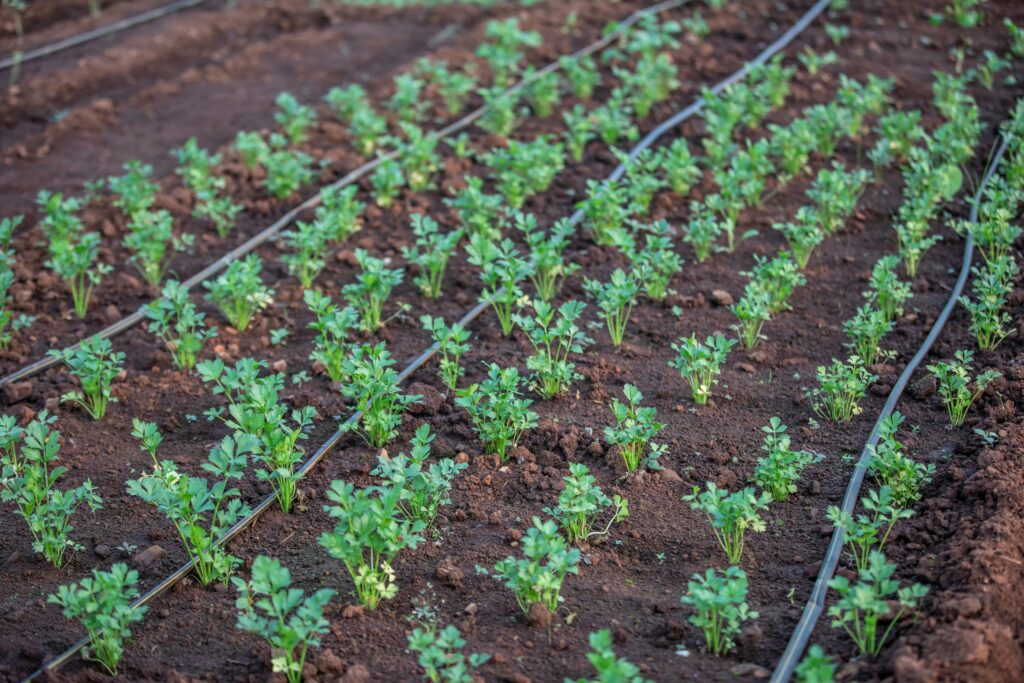
A number of agricultural experiments and feedback from the field suggest that structured water can have interesting effects, particularly in terms of water absorption by plants and the soil, and in energizing crops. These results, often based on empirical approaches, are now feeding into the debate on these solutions. Theoretically, this could lead to savings in irrigation water and better crop growth.
Home applications
Similarly, not only supporters of structured water but also regular users of these technologies suggest that its use in domestic water supply systems could :
- reduce limescale formation,
- improve water quality for its various uses (washing, cleaning, watering, etc.).
- and even help keep pipes in better condition.
Certain technologies, such as vortex-generating devices or other structuring devices, are used to try andoptimize these water properties.
A path to sustainable water management
What is certain is that water is a key factor in sustainable environmental management.
If methods aimed at structuring water prove beneficial in reducing water consumption or improving agricultural yields, they could offer interesting solutions to today's environmental challenges.

Conclusion: the power of structured water
Structured water remains an intriguing subject, combining scientific research and alternative practices. Theories about its molecular structuring open the way to possible innovations.
Pending further in-depth research, structured water could offer interesting solutions for optimizing water quality, particularly in agriculture and domestic use. The potential of structured water lies in its ability to inspire new approaches to water management, incorporating both feedback from the field and future scientific validation. By reconciling technological innovation and environmental reflection, these solutions could play a role in the evolution of agricultural practices and our everyday use of water.
The information presented in this article is based on current research and alternative practices around the concept of structured water. It does not constitute health claims or guaranteed performance. Any technology mentioned is part of an innovation process, and its effects may vary according to the context in which it is used.